Locke, Rousseau, Wollstonecraft, Marx: the books behind your rights
One map of how their ideas built liberalism, capitalism, feminism, idealism and realism, and the laws you live under today.
Open the map →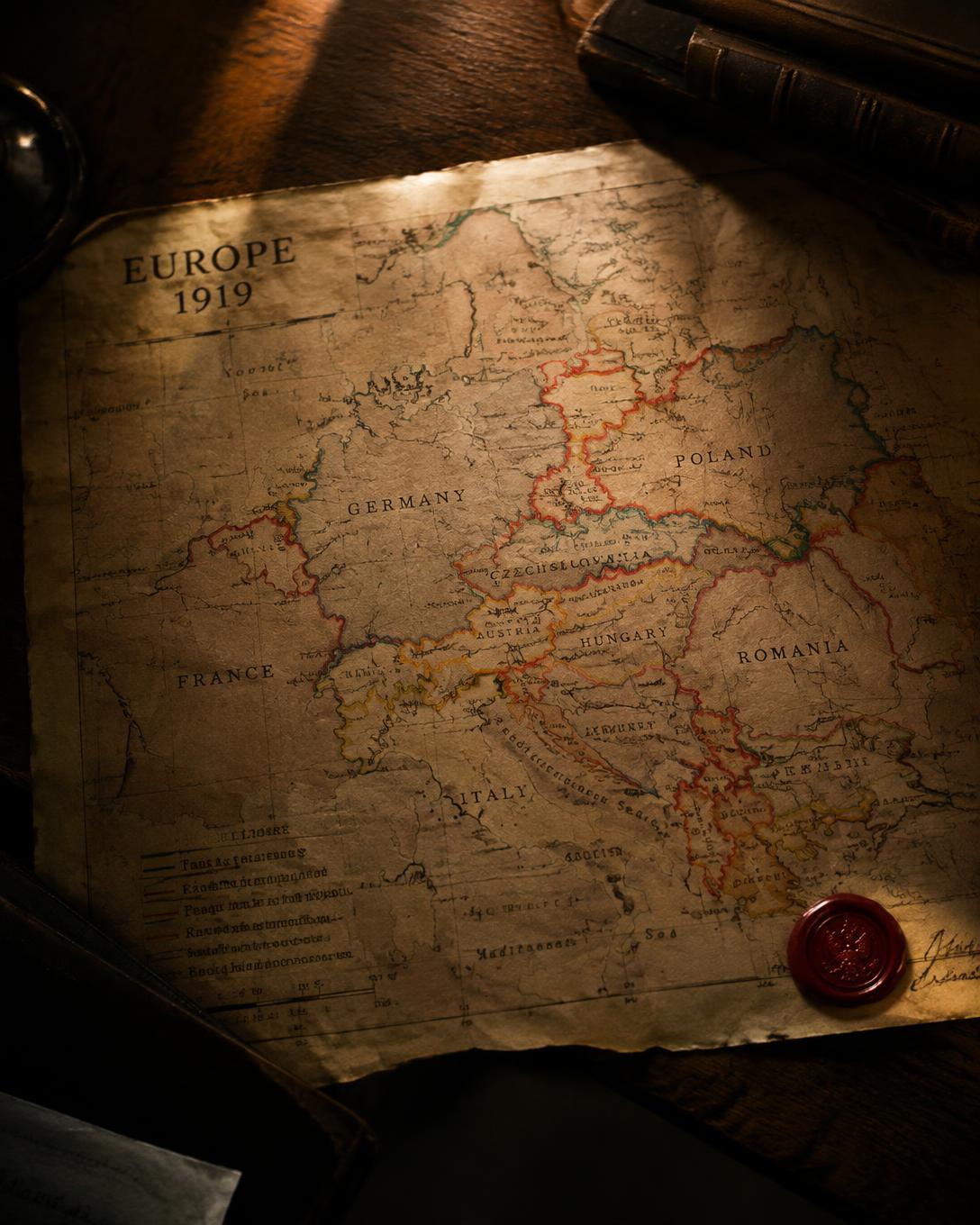
The Redrawing
How the collapse of three empires stitched new borders — and left the fault lines that still fracture the map today.
One border, four consequences
The guns of August ignite
Alliances pull four empires into a single, continental war.
Four empires dissolve
Ottoman, Austro-Hungarian, German and Russian order collapse together.
Treaties redraw the map
From Versailles (1919) to Lausanne (1923), treaties carve states from fragments of empires.
Borders still hold tension
The 1919 lines remain flashpoints a century later.
Treaties · 1914The Redrawing
How the collapse of three empires stitched new borders — and left the fault lines that still fracture the map today.
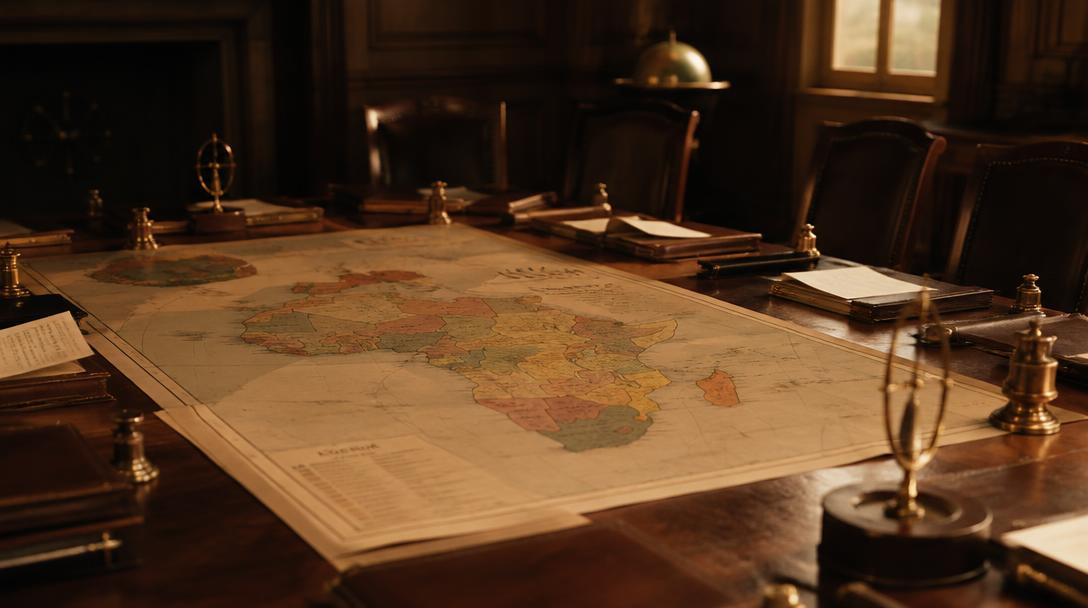 Empires · 1884
The Scramble's Aftermath
Arbitrary borders and the debts they left behind.
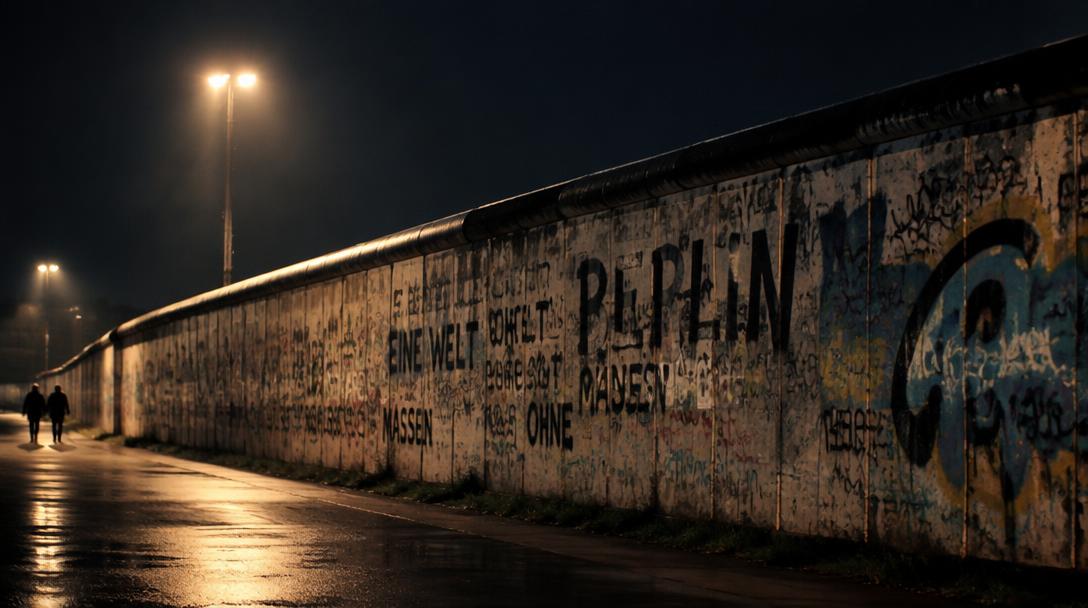 Walls · 1961
Stone & Wire
How a wall became a border, then a symbol, then a memory.
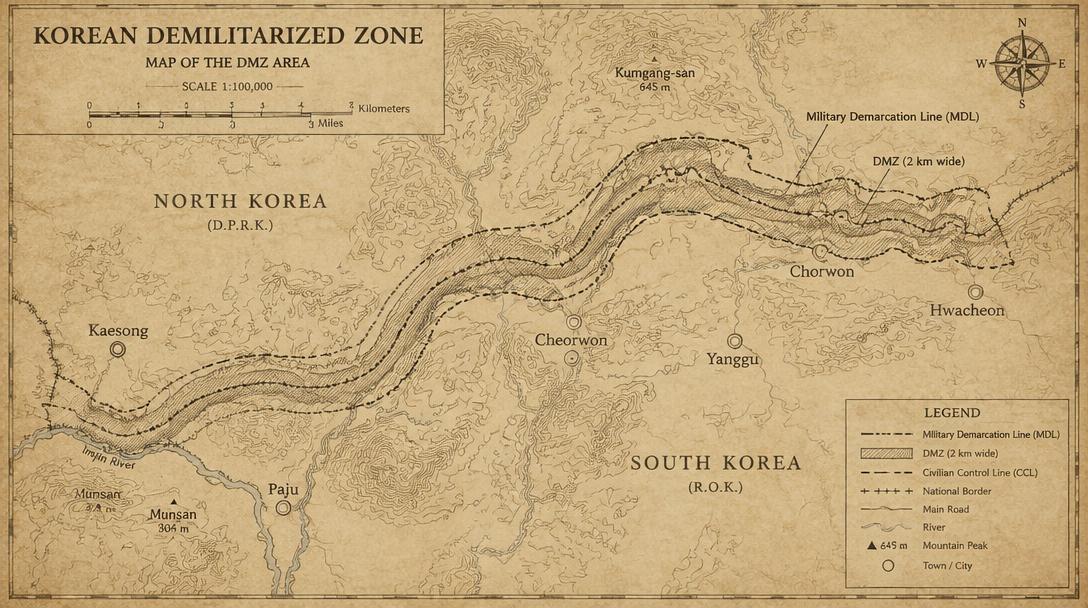 Cold War · 1950
Drawing the Line: The DMZ
A ceasefire line that froze a war in place — and divided a people for seventy years.
Africa: The Hidden History
Empires, kingdoms and trade roads — from Aksum and Ghana to Benin, Songhai and the Aro.
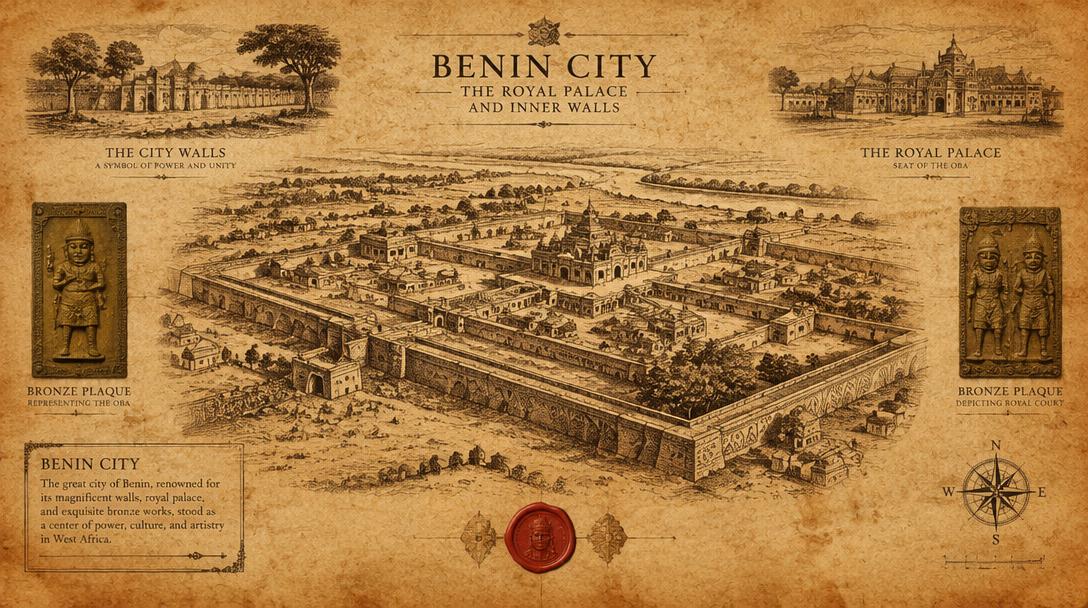 Africa · 1180
Bronze & Walls: The Benin Empire
The kingdom of the Obas, its earthworks longer than the Great Wall, and the 1897 raid that scattered its bronzes across the world.
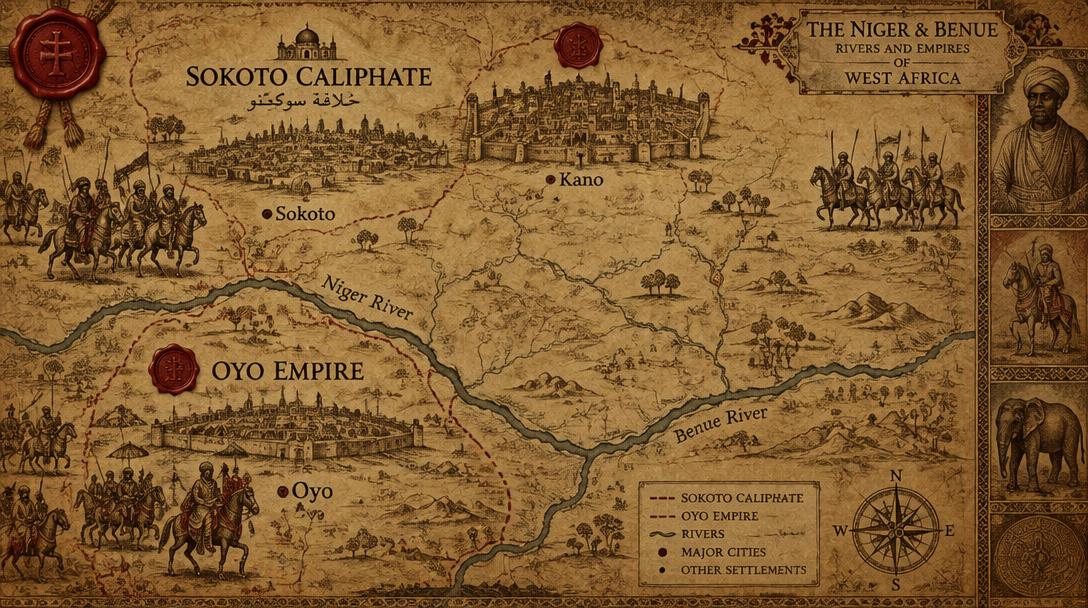 Africa · 1600
Cavalry & Caliphate: Oyo and Sokoto
How the fall of the Oyo Empire and the rise of the Sokoto Caliphate redrew the north–south fault line of Nigeria.
Africa · 1500 BCClay & Crowns: Nok and Ile-Ife
Two thousand years of art — from the terracotta heads of Nok to the bronze crowns of Ife, cradle of the Yoruba.
Africa · 700Desert Crossroads: Kanem-Bornu
A thousand-year empire around Lake Chad that traded across the Sahara and outlived almost every rival.
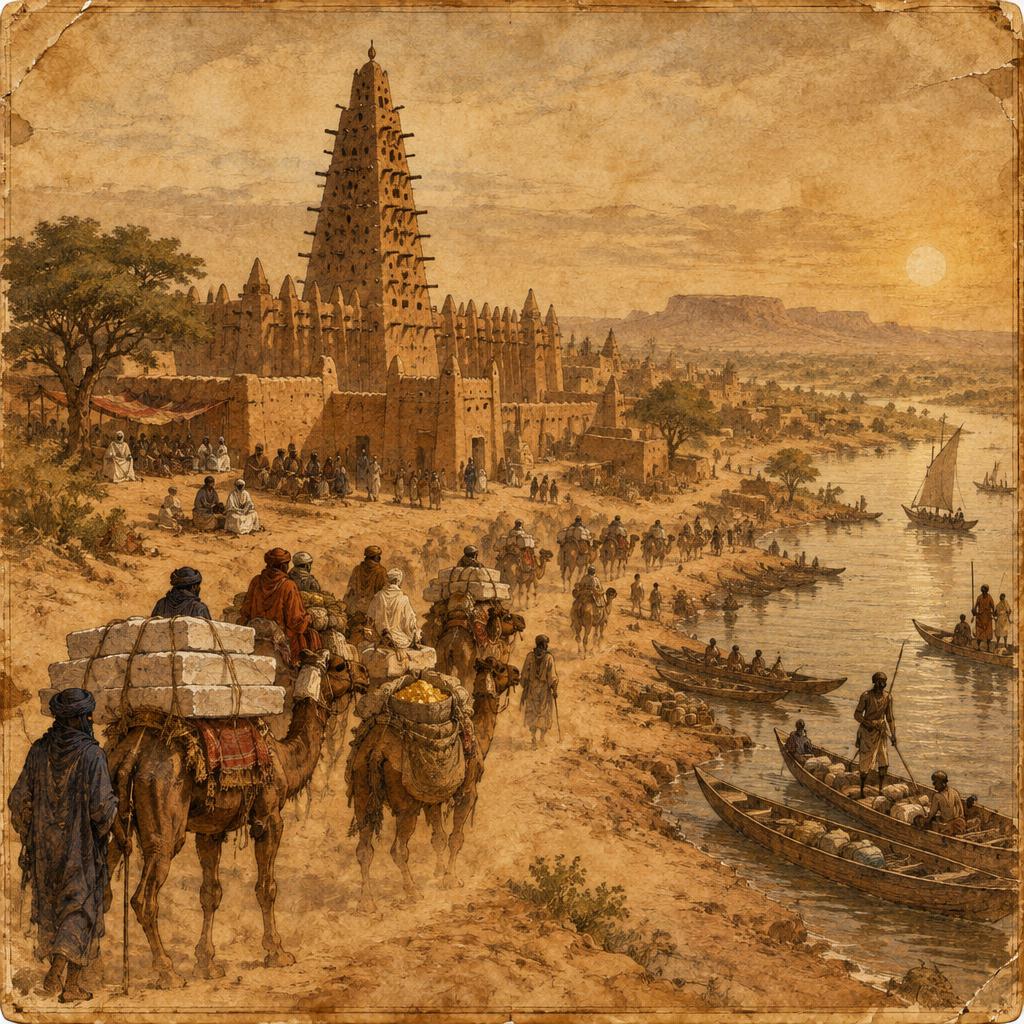 Africa · 1464
Salt, Gold & Sand: The Songhai Empire
One of the largest states in African history — its desert roads, its university city, and the musket volley at Tondibi that broke it open.
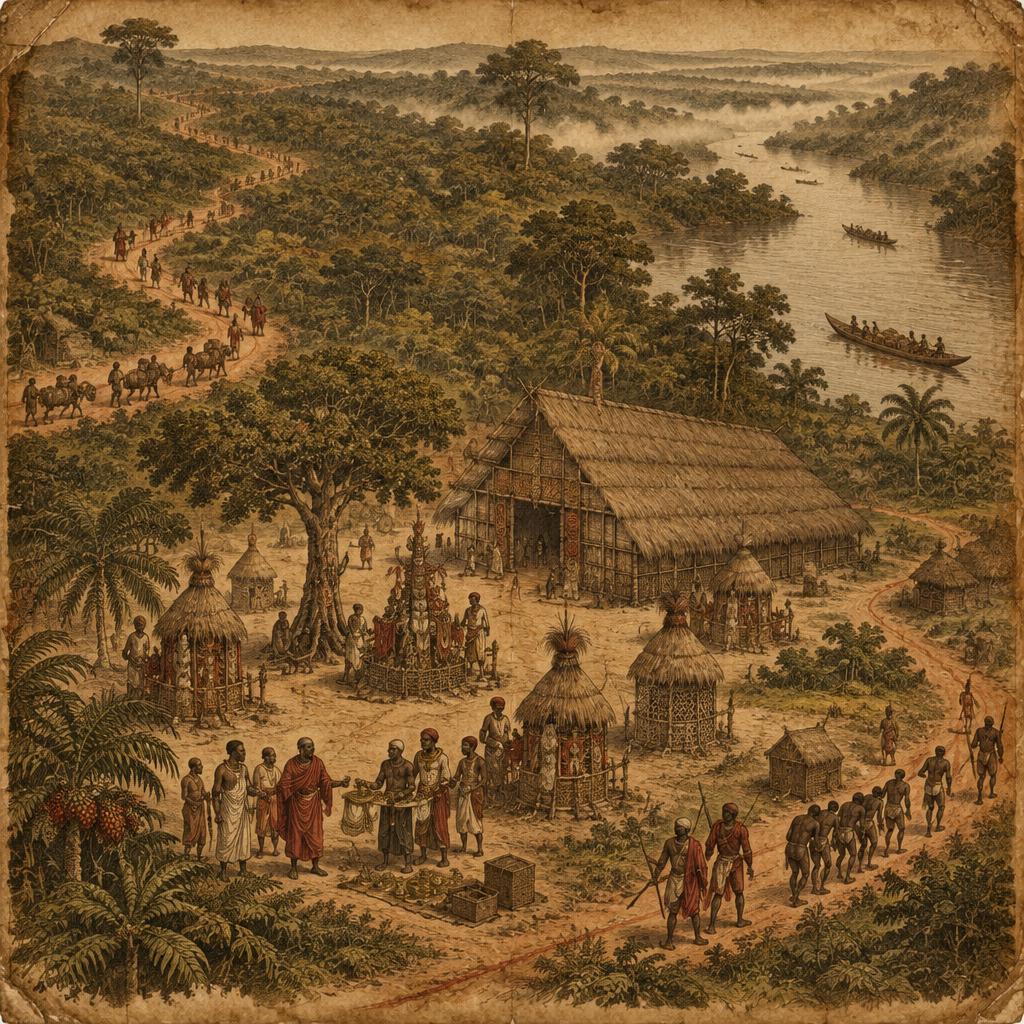 Africa · 1690
The Oracle's Roads: The Aro Confederacy
How a shrine at Arochukwu wired the south-east into a continental trade network — and why the British blew it up in 1901.
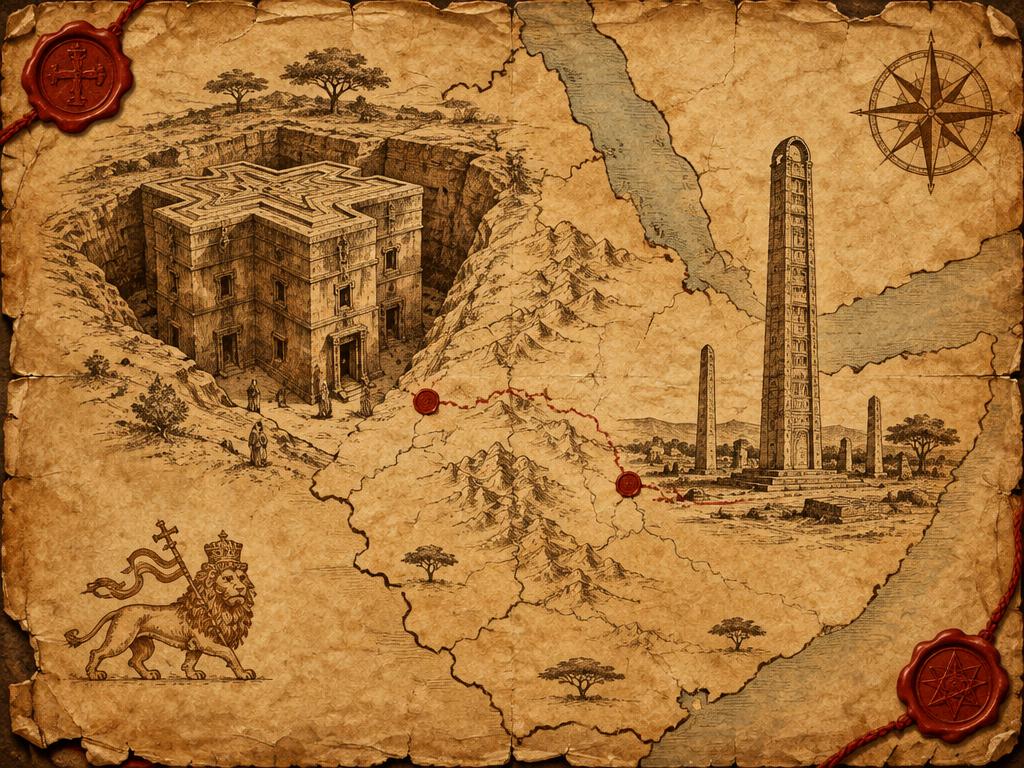 Africa · 100
The Unconquered Crown: Aksum to Adwa
How Ethiopia kept its crown for nearly 2,000 years — crushing a European army and staying free of colonial rule.
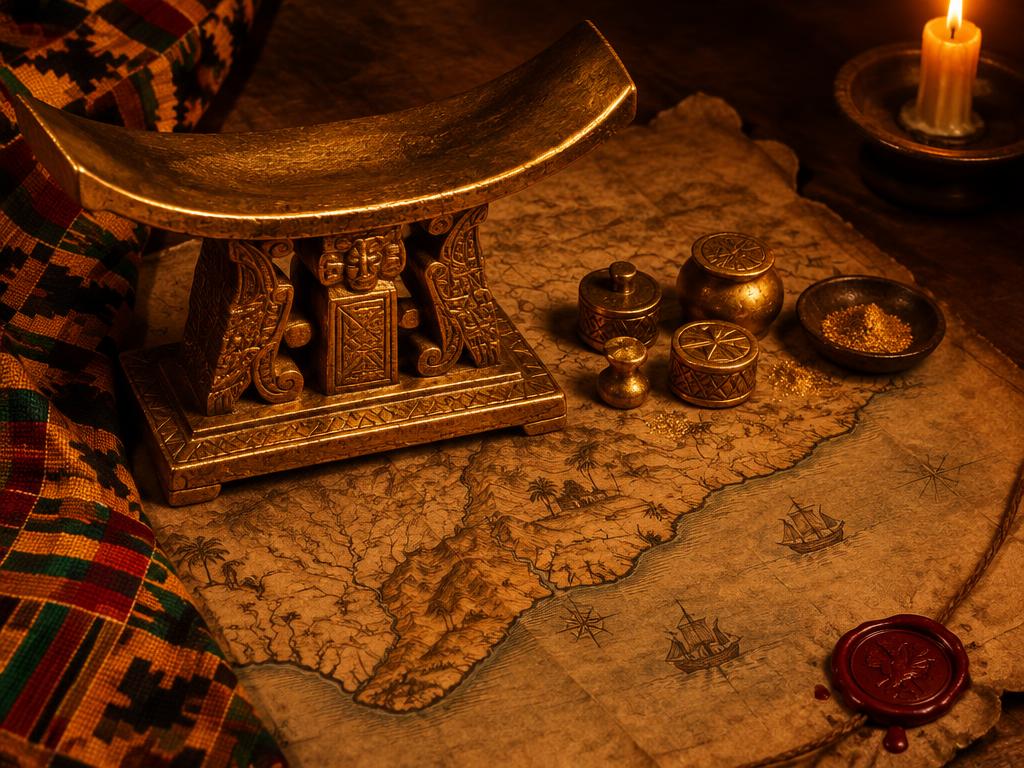 Africa · 300
Gold, Stool & Freedom: From Ancient Ghana to Asante
The empire of gold that gave a modern nation its name, the Golden Stool no foreigner could sit on, and a landmark of African independence.
The Middle East: Lines in the Sand
How ruler-straight borders and broken promises shaped the region we read about today.
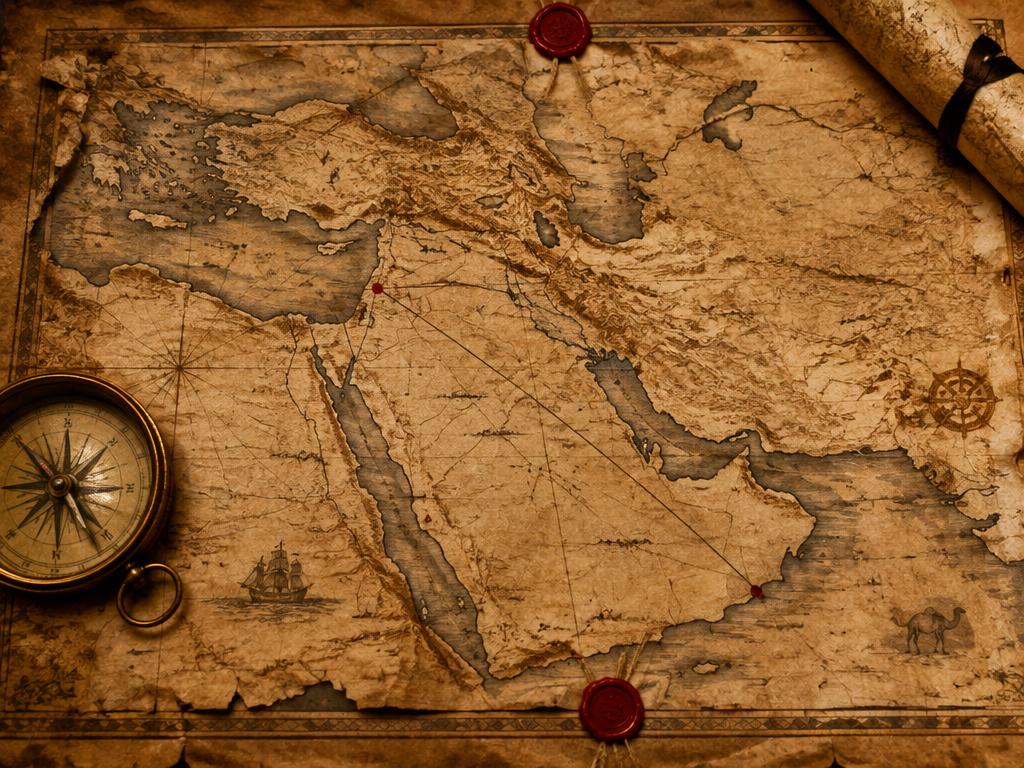 Middle East · 1916
Lines in the Sand: Making the Modern Middle East
From a secret pencil line in 1916 to the states, wars and oil routes of today.
Native Nations of the Americas
Treaties, removals and resistance — how Indigenous homelands were redrawn.
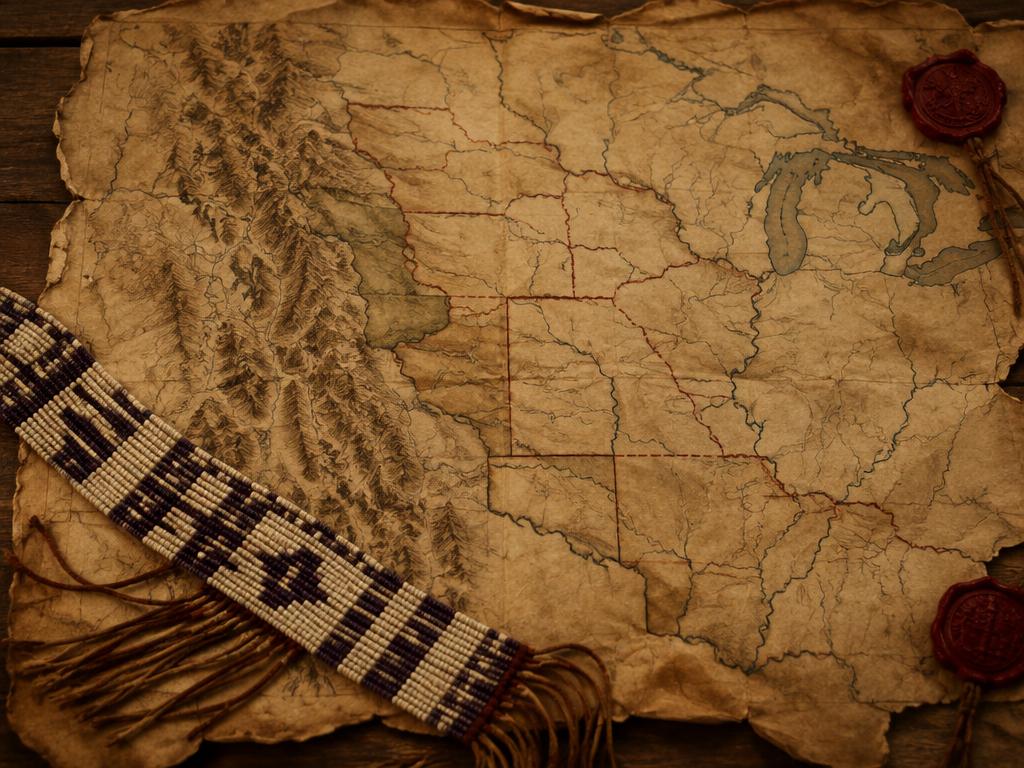 Native Nations · 1763
The Shrinking Map: Native Nations of North America
How hundreds of Indigenous nations lost a continent — treaty by treaty — and how they endure.
Europe: How the Wars Ended
The Hundred Years' War, the Peace of Westphalia and the birth of the sovereign state.
 Europe at War & Peace · 1337
The Long Siege: How the Hundred Years' War Ended
116 years of war between England and France — and how a peasant girl, cannons and exhaustion finally ended it.
Europe at War & Peace · 1618The Peace of Westphalia: Birth of the Sovereign State
How exhausted diplomats ended the Thirty Years' War in 1648 — and invented the rules of the modern map.
Philosophers, Property & Human Rights
Social contract thinkers, John Locke's idea of property, and the long road to human rights — in Europe, Africa and Asia.
 Philosophers & Rights · 1651
The Social Contract: Hobbes, Locke & Rousseau
Why should anyone obey a government? Three philosophers, three answers — and the revolutions they inspired.
Philosophers & Rights · 1689Mine and Thine: John Locke and Private Property
How one chapter by John Locke turned shared land into private property — and justified fences, colonies and capitalism.
Philosophers & Rights · 539 BCThe Long Road to Human Rights: Europe, Africa & Asia
From Cyrus and Ashoka to the Manden Charter, Magna Carta and the 1948 Declaration — rights were never one continent's idea.
Philosophers & Rights · 1848Workers Unite: Marx and the Communist Manifesto
A 23-page pamphlet from 1848 that inspired revolutions, trade unions, the weekend — and fierce opposition.
Philosophers & Rights · 1792A Vindication: Mary Wollstonecraft and the Rights of Woman
How one woman answered Rousseau in 1792 — and started the argument that won women the vote, the classroom and the law.
Every border, every spillover
All 240+ lectures, new seasons monthly, and the full event-cascade timelines. Watch on any device.
Cancel anytime · No card to browse previews